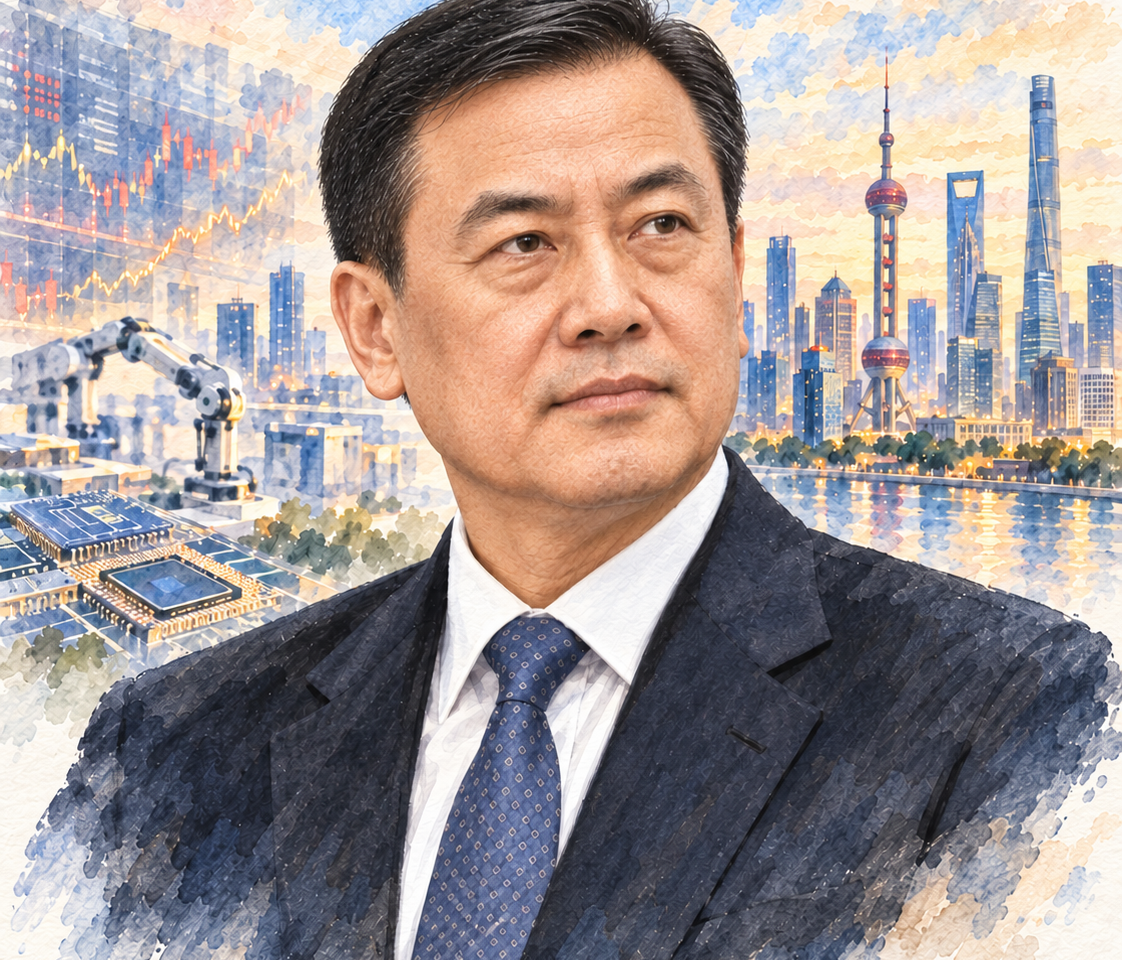
China does not lack capital. It has household savings, insurers, state funds, banks and one of the world’s largest investment industries. The harder question is what kind of behaviour that capital should reward. Under CSRC Chairman Wu Qing, Beijing is trying to create “patient capital”: money willing to finance technological risk for longer, without turning national priorities into speculative bubbles.
Regulators are normally expected to stop markets from taking too much risk. Wu Qing faces a more unusual challenge: China wants investors to take more of the right kind of risk.
Artificial intelligence, semiconductors, robotics, advanced manufacturing and new energy require large amounts of capital long before reliable profits appear. Some technologies will fail, commercialisation can take years and investors must be willing to tolerate uncertainty. If financial markets demand immediate returns, strategically important companies may struggle to survive the period between research and scale.
China wants capital to become more adventurous and more disciplined at the same time.
Wu has been unusually explicit about that problem. In June, he told China’s fund industry that emerging and future industries urgently needed capital and called on private equity to support early-stage and hard-technology companies for longer. Yet in the same speech he warned managers against blindly betting on fashionable sectors, launching funds simply because prices had risen or turning technological enthusiasm into “concept hype”.
That captures the Chinese dilemma almost perfectly. Beijing wants more equity finance, more venture capital and greater tolerance for technological risk, while simultaneously demanding more stability, stronger supervision and less speculation.
Read More
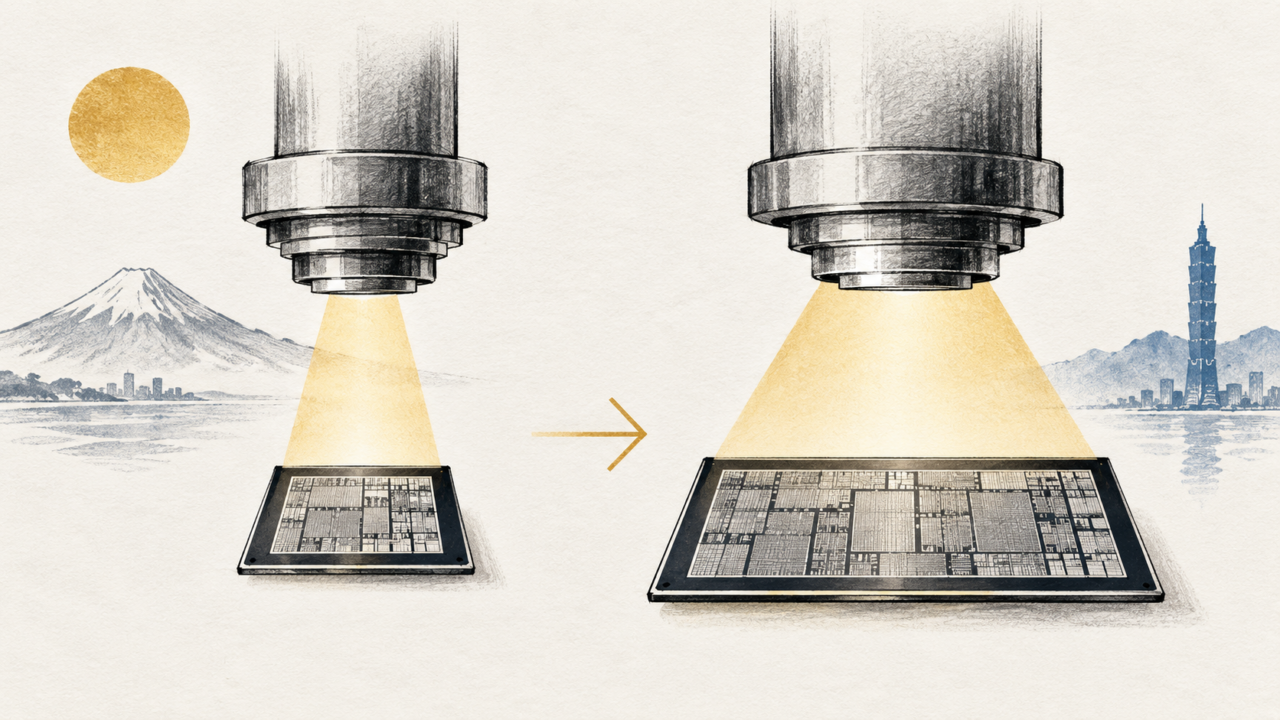
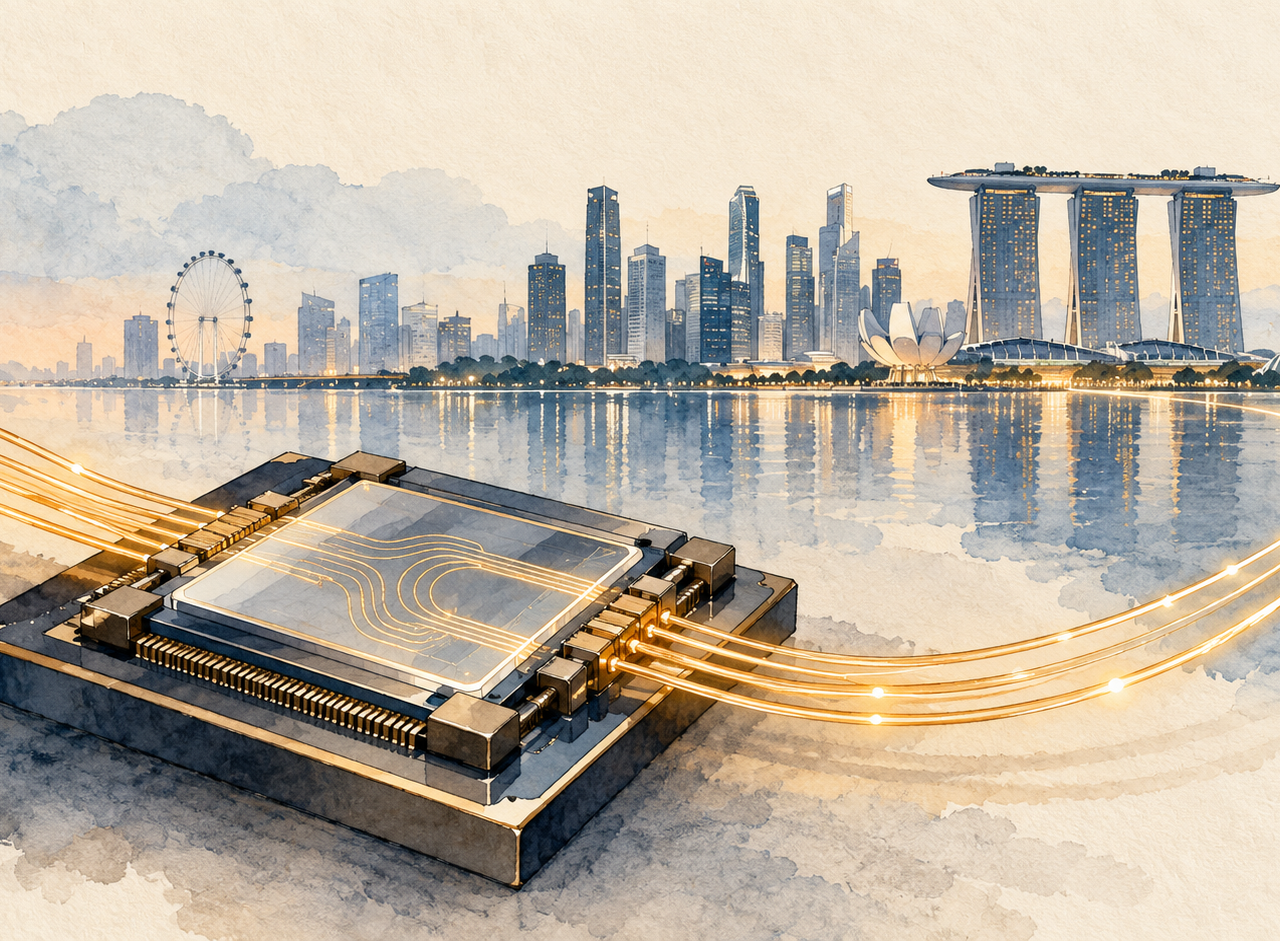
Singapore’s photonics ambitions are entering a harder phase. With Advanced Micro Foundry now part of GlobalFoundries and a new agreement targeting co-packaged optics manufacturing, the city-state is strengthening its position in AI’s physical infrastructure. The test is whether decades of research can translate into reliable production, lasting customer relationships and influence over where industrial value accumulates.
The route from laboratory expertise to strategic influence runs through factories, packaging lines and customers with little tolerance for failure.
Read More
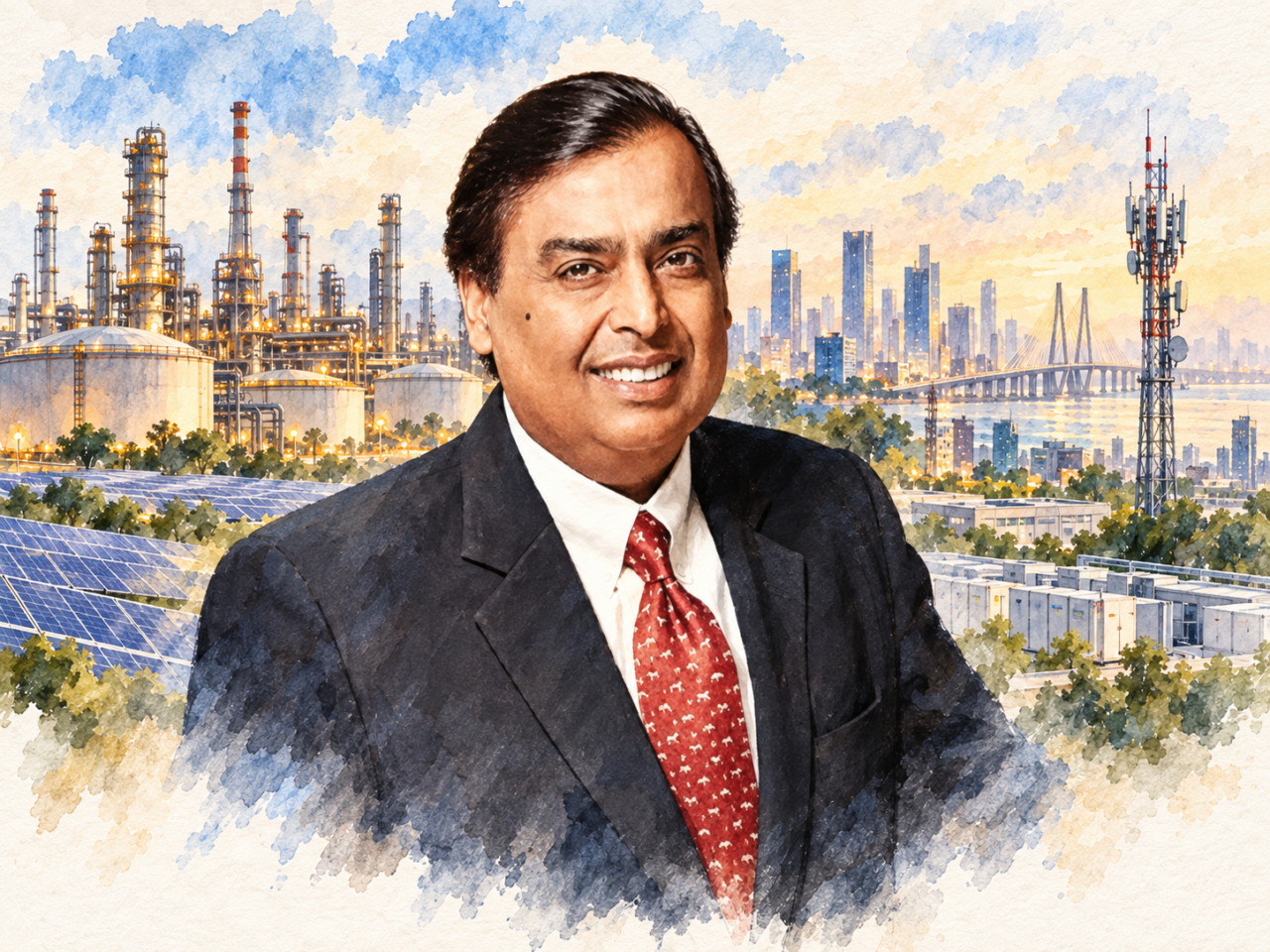
Mukesh Ambani’s most important asset may not be Reliance Industries’ size. It may be his ability to decide which part of the old economy should finance the next one.
Reliance still earns enormous amounts from energy and petrochemicals. But Ambani increasingly uses that financial strength to build businesses in telecom, digital infrastructure, retail, renewable energy and artificial intelligence.
He described the logic himself:
“This business financed our past. It is financing our future.”
Mukesh Ambani, Chairman and Managing Director, Reliance Industries
That is more than a statement about cash flow. It is a philosophy of industrial development.
Read More
Macau is far more than a casino economy. Centuries of encounter between Chinese society and Portuguese institutions created a distinctive culture whose architecture, food, language and traditions still shape this small territory at the edge of southern China.
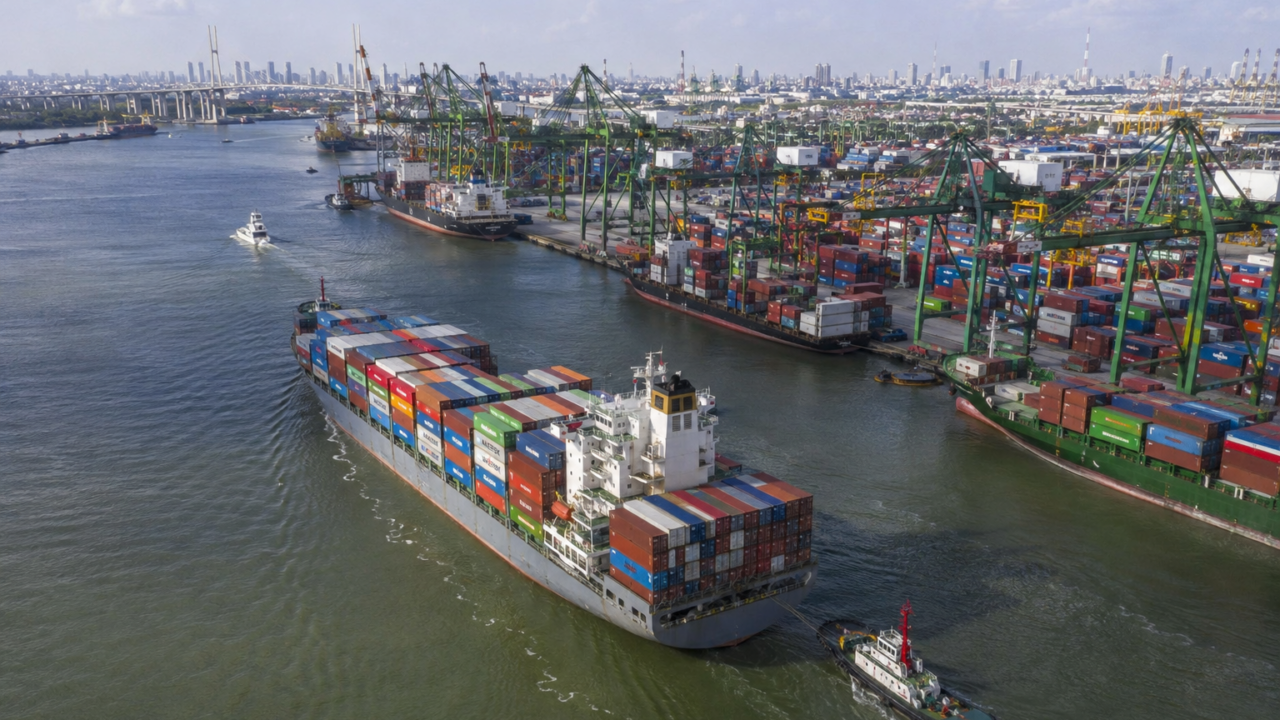
For decades, Indonesia exported raw materials while much of the economic value was created elsewhere. Today, the country is pursuing a different strategy: transforming natural resources into industrial ecosystems that strengthen long-term competitiveness and reshape its position in global supply chains.
A new generation of Cambodian designers, dancers and artists is rediscovering Khmer culture — transforming ancient symbols, traditional performance and inherited craft into fashion, digital art and contemporary forms of expression.
Taiwan is more than semiconductors and geopolitics. Shaped by migration, colonial history, democratisation and technological ambition, the island has developed a distinctive society whose identity continues to evolve through the many historical layers it carries.